Showing posts with label uni. Show all posts

Saturday, 22 February 2014

Taboo subject? Under-age sex and sexual health.

Bit of a random post really but one of the experiences I had during my 2 week spoke placement in a sexual health clinic really got me thinking. (Everything I say here will be protecting the person's identity in line with the NMC Code.)

There were 2 girls who came in for a joint appointment. They were both 15. One of the girls/young ladies (I find it weird calling her girl when she was sexually active), let's call her "Eleanor", came in to ask to have her contraceptive implant removed. The nurse asked why she wanted to have it removed and "Eleanor" said that she 'just didn't like it'. She seemed unsure as to why but was adamant that she wanted it taken out. She was offered contraceptive pills, the depot injection and the coil as alternatives but she refused all of them saying that she just knew she wouldn't like them. Obviously the nurse has a duty to provide care and can advise but not force someone into making a decision, so if "Eleanor" wanted the implant removed and no alternative contraception that was up to her. The nurse explained the risks of this but "Eleanor" said she knew and she'd be careful and "probably" use condoms. Her friend, let's call her "Sally", said that she would never use condoms as she always forgot them. After another 10 minutes of discussion, "Eleanor" reluctantly accepted contraceptive patches (a brilliant invention in my eyes) and had her implant removed. The nurse explained how to use them but honestly I don't know whether she will. 

After leaving the room, the nurse explained that it's quite a common thing to happen. She said she was almost 99% sure that "Eleanor" would be coming back for either emergency contraception or a pregnancy test pretty soon. What a sad thing that is. The nurse explained that she had been meeting with her "Eleanor" since she was 12. 12! Yes, 12! I find it amazing that this young lady attended sexual health clinics and think that many others should take a leaf from her book to stay safe and healthy...I'm just flabbergasted that they need to. I don't know if I'm just naive but how many people are actually mature enough to make such a huge decision to have sex when they're 12 years old? I most certainly wasn't. I was too busy living out my childhood, playing kerbsies, riding my bike, playing netball, meeting with friends...you know, just being a normal young nearly-teen. The thought would never have crossed my mind. Is it a generational thing perhaps? Are children being pushed into adulthood by the media and peer pressure? It really does make me sad to think that children are no longer children. 

Sunday, 26 January 2014

My First Week of Final Nursing Placement - Year One

So here marks the end of my first week back on placement and what a week it has been. Journaling is a new thing for me so please do bear with me. I start to record my positive areas and also areas for development mid-week and intend on carrying this on throughout my training as I'm finding it very helpful, not only in my development in my training but also as evidence for my progression criteria for my nursing assessment file.


Day 1 - Early shift

Today was my first day back to this placement since September. I spent most of the day readjusting to the ward environment again. It started out quite relaxed, teamed up with my co-mentor (brilliant lady!) who let me tag around with her pretty much all day, assisting patients, completing and organising patient notes, calculating IV doses, giving medications out, checking vital obs, etc. I keep forgetting but I'm going to get myself a tongue depressor to write common IV calculations on as a pocket guide. A lot of nurses/students say they did this and it was helpful.


Day 2 - Early shift

Today I was very much floating around all over the ward - no easy task when there are 27 patients and several nurses asking you to help them out. For most of the day I took vital obs and ensured patients were comfortable, documenting all the time. I went in to check on one patient who was on a monitored bed and had been doing quite well. His respiratory rate was up in the 30s (normal is between 12-20!), pulse over 120 bpm, oxygen SATs 85%, temp over 38oC and BP barely readable. He wasn't very responsive and was pale and clammy so I immediately got the nurse who had another nurse in the room in less than a minute and a doctor to review as well. I remember just standing there thinking, 'Oh God! What will I do when I'm the nurse?! Will I know what to do?". Nursing is scary.

I also accompanied a patient to a CT scan as she was very nervous. The nurse in charge of that side of the ward didn't seem overly impressed really but I wouldn't have forgiven myself if I'd let her go by herself, shaking and terrified.


Day 3 - Early shift

Today was my first day with my mentor since returning to the ward. I helped to serve the breakfasts for patients and then assisted patients to wash and get dressed. Following this my mentor explained that she wanted me to look after the patients in the 4 bedded bay section of the ward, where 3 of the beds were being used. This was quite a task since I'd never done it before and I was quite nervous. My mentor explained the importance of problem solving and managing time - 2 big things I need to work on. I had to ensure all tasks were completed for each patient - vital obs, any planned scans/xrays, record care rounding, document nursing notes from the morning and any new plans from seeing the consultant, ensure patients were pain-free and comfortable, assist to the toilet, support with nutritional intake, contact family to bring in more clothes, contact a care home to discuss patient history and ongoing needs, diffuse a situation with an agitated patient, monitor the condition of a patient who appeared more weary than the previous day, completed an ECG, talk to family members and friends of patients and refer to qualified staff where I couldn't help with a query. I found all of this very challenging to say the least alongside caring for one of the patients who had become increasingly agitated and wanted to continuously move around despite feeling sick and being very unsteady on her feet.

Whilst the ward had a meeting, I was also asked to ensure the safety and comfort of 2 other patients just outside of the bay, and although it was difficult to juggle, I managed and learnt the importance of prioritising tasks. I now see (from a more restricted view of course) why nurses are always so busy! I still have so much to learn.

Positives:
+ Managing numerous tasks
+ Staying positive all day despite how challenging it was.
+ Completed a full SBAR handover sheet for a patient leaving the ward which I'd never done before on my own.
+ Liased with other professionals including Nurses, Pharmacist, Physiotherapist, Occupational Therapist, Care Home Manager, Consultant and Dr (F2). 

Areas for Development:
- Time management
- Prioritisation skills
- Delegation skills
- Try not to get side-tracked


Day 4 - Late shift

Today I was asked to look after the 4 bedded bay again. In early PM there were only 3 patients but a new lady was brought up, meaning all beds were full. 3 of the ladies had dementia/delerium.

I admitted the new patient to the ward, ensuring she was as comfortable as possible and completing all documentation. This process was quite difficult as the lady had quite an advanced level of dementia and was very anxious about being in an unfamiliar place with very unfamiliar people around. One of her daughters helped to answer some questions given that she was unable to give sound answers due to her illness. All the while the patient was trying to go home.

I think I managed my time more effectively today, allowing equal time for each of my 4 patients and completing all vital obs and documentation. I went with my mentor to administer medications and gave some subcutaneous injections which I still feel a bit weird about. One person was difficult to inject due to having a very tight and swollen abdomen. The next 2 that I did felt much easier but I still cringe thinking I'm going to hurt them, which I know is ridiculous since it's a needle and is never a comfortable thing to have. I'm hoping this improves with more practice. I haven't given any intramuscular injections yet - I hate to think how nervous I'd be doing that!

I spoke to several family members regarding their loved one's condition and answered any questions I could. If I couldn't help, I directed them to a qualified member of staff.

With the help of my mentor I was able to diffuse a situation with the new lady from my bay who was very distressed. Her daughters were trying their best to keep her calm and seated but because they were stressed I think it wound their mother up too. She stood up and tried to exit the ward, saying she was going home and wouldn't be told to stay. Seeing my mentor's expertise was quite inspiring. She knew exactly what to say and how to say it. I just followed her lead and we worked together to calm the lady down quite quickly actually. When I got home I researched different techniques to calm escalating situations, particularly for those patients with dementia. There is quite a lot of good advice out there about maintaining a calm environment but when you're in a hospital setting, how calm can it actually be? It must be so awful for patients like this.

Throughout the day I also found myself delegating tasks so that I could complete the work I'd been asked to do rather than being sidetracked by 1,000,000 other things, which believe me is so easy to do! My mentor and I discussed the importance of completing tasks and not getting sidetracked. I asked for assistance from HCAs who were more than happy to help rather than me  struggling and missing things out.

Finally, I completed part of a handover sheet for the nightshift staff about the new patients on the ward who I had been caring for. My mentor also asked me to update the sheets for some other patients too but I got sidetracked and only got half done. Boo! It's so, so, so hard to get everything done, even with the best will in the world and being run off your feet and asking for help. The information was passed on in the end by the way, but verbally rather than being printed on the sheet ;)

Positives:
+ Managed time better
+ Completed all paper work (except some info on the handover briefing sheet!)
+ Completed most of a handover briefing sheet
+ Delegated tasks
+ Spent equal time on all patients in my bay
+ Diffused a situation effectively

Areas for Development:
- Still getting sidetracked - stay on task!
- More practice/confidence with injections
- Understand fully why a patient is in hospital and their journey to getting better and home
- Research: INR and Warfarin, PPI and Lansoprazole, injection technique and techniques to calm patients in   distressing situations, especially those with dementia.


Day 5 - Late shift

Today was my last shift of the week and I was shattered to say the least. My mentor and I were on a different part of the ward to the previous couple of days so I wasn't looking after the 4 bedded bay.

I carried out what felt like 100 sets of vital obs which, although they get a bit samey are...well, vital, as the title suggests. They  let you know how the patient is doing and if/how they are responding to treatment. My ward cares for a lot of people with COPD so it's really important to keep a check on their oxygen saturation levels too.

I also admitted 2 new patients to the ward, completing all necessary paperwork (reams and reams!).

Providing care for one particular patient was pretty difficult for me. He had been admitted with end stage MS and was extremely poorly. He was being fed through a tube in his stomach (called a PEG), had a colostomy and a catheter bag, could only respond to voice and had extremely limited speech and movement. For those who haven't read one of my earliest posts where I explain this, my Mam has MS so seeing this was a bit close to home for me. I know that MS affects people in different ways and that my Mam's MS is a fair distance from this patient's at the moment, but it caught me nonetheless. This could happen to my Mam one day. I have absolutely no idea how I will deal with this when it comes to it or if it will happen like this. It's just such an awful disease. Distancing myself personally from this was quite a difficult thing to do but I need to do it!

My mentor showed myself and a newly qualified nurse how to set up a PEG feed drip. I've fed a lady through a PEG before but it had always just been manual for her - flushing it with water through a syringe (with no push), then pouring in the feed and then finally flushing it again with water. It was always very interesting when the lady coughed. I'm sure you can imagine what happened! A nice shower of Jevity (that's the name of the feed) for me, haha! Anyway, I digress. My mentor also showed me how to completely change a colostomy bag. I've emptied an ileostomy bag before and it was just a matter of disposing of the contents and then closing it back up again, but this one had to be completely removed and replaced. It was very strange seeing how it all works and has lead me to several hours on YouTube trying to make sense of it. My partner definitely didn't appreciate me talking about it over dinner, that's for sure, hehe!

I found my time working alongside the newly qualified staff on the ward extremely helpful today. They were always asking if I was OK or if I needed help or advice which gives me so much hope for when I qualify in 2 short years. I can't wait to be able to offer the same support when I'm a Staff Nurse.

I also found that after this week I feel much more settled as part of the team on the ward. I've been on this ward for a total of 9 weeks now (spread out over the year) and due to nerves and finding my feet I've held my personality back a little bit since I've been mostly trying to keep my head above water. But today I was able to work alongside people, feeling like I was helping and not hindering, join in conversations and not hesitating for a second if I needed some help/advice. Team work is so important in such a stressful environment.

I had my initial interview (placement documentation) with my mentor today to discuss what my targets are for this placement and to go over my progression criteria that I need to meet by the end of the 6 weeks. I've got 6 more to get signed off which I'm well on the way to getting but find completing the evidence so tedious. My mentor said that she's happy with the amount of progress I've made and highlighted the importance of approaching her if I was struggling with anything. She's an absolute gem :) I really think that although I have to travel to get to my placement, I have hit lucky with this one. I get such a variety of experiences, a great team and a fab mentor. I doubt I'll be this lucky throughout my training so I am definitely making the most of it for now. 

So here are my targets for final placement of first year:

1) Identify a group of patients at the beginning of each shift to be responsible for, including all care, documentation, treatment and discharge planning.
2) Widen knowledge of drugs commonly used on the ward
3) Identify and be aware of the signs of the deteriorating patient and be involved in implementing the escalation of care
4) Attend Rapid Access Cardiac Clinic with Nurse Specialist

A lovely way to round off my last shift of my first week back was when a patient's family came to find me to thank me for all I had done and for helping their Mam so much during her time on the ward. Such a lovely feeling :)

Positives:
+ More confidence with admissions process
+ Learnt how to set up a PEG feed and change a colostomy bag
+ Great to hear I'm making good progress
+ Improving delegation skills
+ Feel part of the team

Areas for Development:
- Distance from personal/professional situations 

Friday, 17 January 2014

A long overdue catch-up: What I've been up to, nursing placements, Bank HCA job and almost finished first year.

<a href="http://www.bloglovin.com/blog/9790997/?claim=cjnsfma5e6m">Follow my blog with Bloglovin</a>

I must say I have been extremely busy (usual excuse) and have a lot of catching up to do in the blogging world. So over the last 3 months (oops!) I finished my second placement and had 2 spokes, which are kind of like tasters in different areas of nursing. I've also had an essay, a Workshop and 2 exams, as well as copious amounts of placement documentation and research. I then started a Bank HCA job and of course trying to fit my life around all of this has been a challenge in itself. I'll fill you in on placements and my new job in this post and then I'll write a separate one about the assessments I've had as this post is already going to be rather lengthy!

Hub 2 - Medical Ward

Let's start with my second main (Hub) placement. I go back there again on Monday and am so nervous. The last time I was there was 27th September :O Getting back into the routine is going to be fun, but I just can't wait to get onto a ward and nurse again. Anyway, on that placement I was given more responsibility and began to administer medication (supervised of course). I also provided fundamental care in a much more confident way,  assisted with more medical procedures, took swabs, removed what felt like 100 venflons, carried out vital obs, completed admissions, helped with discharges, attended ultrasounds, CT scans and Xrays with patients, referred patients to other professionals (physio, occ health, dietician, etc.) and arranged patient transport. I've almost certainly missed out the other 1000 things I did. I swear, I'd get home after a shift and just stare blankly at a wall for an hour from exhaustion. Placement is blumin hard work both physically and mentally.  

Spoke 1 - Mental Health

My first 2 week spoke placement was in a rehabilitation home for people with mental health problems. I must say I was nervous about going as I just didn't know what to expect. I went for a visit prior to the commencement of the placement so that I could get my shifts and find out a little bit about the place but they didn't really tell me much and seemed a bit irritated by yet another student, bearing in mind I was their 4th of 5 students in an 8 week period. They were probably very fed up. During the first week I was a little reserved as I didn't know how to make myself useful. There seemed to be a lot of tea drinking and sitting around which when you're used to a hospital ward can be a bit of a shock to the system. I was constantly asking if I could help or do something and it took me a little while to realise that the main point was therapeutic presence. A lot of the residents simply loved having someone there to sit with and have a little chat, and by the second week I loved it too. I learnt how to knit and crochet and now have a bit of a penchant for it if I'm honest. I am clearly a granny at heart :D I thoroughly enjoyed supporting people with the things they loved doing such as nipping to the shops, cooking tea, going to exercise classes, baking, going to social events and for little walks. The whole experience totally opened my eyes to the reality that 99% of nursing is about just being with someone and helping them to be them again. I don't think that MH nursing is for me but I really did learn a lot from it and hope to learn more in the future. Some of the nurses and healthcare staff who worked here were the best I've seen. I hope to be like them when I qualify.

Spoke 2 - Health Visiting/School Nursing/Sexual Health

My second 2 week spoke placement was spent with health visitors and school nurses and I absolutely loved it. After the short time I spent there I think I might actually want to specialise in school nursing in the future. It felt so natural for me. My mentor was fantastic and gave me every opportunity possible. I spent an afternoon with the sexual health nurse in her clinic and seen some very interesting things. I also spent a day with the sexual health team in a high school to educate teenagers on the risks of STDs and hand out testing kits, as well as little treats for having taken a test (something that they never had when I was young!). They got free cinema tickets, headphones or undercrackers. I then spent a couple of mornings in schools observing inoculations which were really interesting. It was a very strange feeling to be back in a school environment and I felt very uncomfortable at first but it was nice to be seen in a different way, not as a student teacher but as a student nurse. I held the hands of those who were afraid, handed tissues to those who had meltdowns and distracted them from the injections. It was a really interesting experience even though it was a simple as giving injections. In my final week I attended a child safety meeting with a whole host of other professionals, from nursery nurses to social workers. It was a pretty stressful environment and really opens your eyes to the vast role of the nurse...and the importance of quality, accurate paperwork. Aside from all of these things I went along to lots of home visits with the health visitor which made me ridiculously broody. All of the cute little babbas and nervous/excited parents made it such a lovely experience. I loved being in the community and dealing with people in different settings. People are so different when they're not wearing hospital gowns! Unfortunately I ended up missing 2 days of the placement due to spending some time in hospital but did everything I could to get back given that it was a 1 time only placement that couldn't be made up. That's another story though and I'm fine now :) My report for this placement was glowing and my mentor said that I'd make an exceptional nurse. Yeah! :)

HCA Bank Job

As I said in a previous post I gained a job at a private hospital as a Bank HCA and had my first shift yesterday. It took them so long to organise a shift that I honestly thought it would never happen! But regardless I went and it was OK. It was a very quiet shift, not much going on. I've got another one tomorrow morning and I've been told it's usually manic so I'm looking forward to that. I also have an interview for an NHS Bank HCA post on Monday as I thought it would be really beneficial to gain more experience in an NHS based hospital too. I hope I get it!

Final placement - Hub 3 - Medical Ward

So like I said above I return to placement on Monday morning and couldn't be more excited about all of things I'm going to get to see and do. I've really missed it. The Ward Manager runs her own cardiac clinic and has asked me to spend the day with her when I go back which I am ridiculously excited about. She knows everything there is to know about the heart and it's a particular area of interest for me due to my sister's very unusual condition so I'll be taking a tonne from it I'm sure :) My mentor also said that she's going to increase my level of responsibility when I return (after I've settled back in of course) so that I'll be looking after a whole section of my own patients, eep! I'm so excited for this but unbelievably nervous also. This is going to be my final placement as a first year student nurse. Next year I'll be a second year nurse and feel so unprepared for that title.


How did you other student nurses find the transition from year 1 to year 2? 

Wednesday, 15 January 2014

My First Patient

We had a task in one of the Care, Compassion and Communication sessions at university where we had to write a poem about an aspect of our placement experience so far. I've had a bit of a shaky year so far so I think this task hit me a little bit. I was fine writing the poem, I quite enjoyed it actually and found I slept better that night than I had in a while. Maybe I needed to get some things off my chest. When we attended the session people volunteered to read their poems to the class and I was one of those, feeling quite proud of what I'd produced and all. So I started reading it, and then felt the tears coming. I felt such a fool. My whole class seeing me so vulnerable and fall apart - I was so embarrassed. I managed to finish the poem and everyone was absolutely lovely (of course) but I hated the fact that they'd seen that side of me. Hated the fact that they were probably all thinking, "Look how soft she is", "She'll never survive nursing", "She's not resilient". But how wrong I was. My class is just amazing, every one of them clearly felt it too and I knew I wasn't alone. Nursing and working with vulnerable people has a profound effect on you. It's hard not to feel it and I think in that moment I realised that it's not about maintaining a hard shell all of the time. You can't wear armour all of the time. That release was exactly what I needed and I am so grateful now that I had it. I've found it pretty difficult to reflect on things in the structured manner that the university advise but I think I've found a method that really helps me - poetry. (I never thought I'd be saying those words!) 

Anyway, here is my poem about the very first patient I looked after on my very first placement - someone I will never forget.


My First Patient

Your first day on the ward, a strange place to be,
your proud smile says, "You don't need to look after me!".
You chat to all your neighbours in your bay,
Offering them a hand, you brighten up their day.

Your wife brings you flowers all the way from your farm,
a little piece of home for you to look back on.
Your home is your work place, your passion so true,
you talk with such fondness, with stories of the view.

I wish that you could see it now and be there just once more,
I'm sorry that you're confined here behind the hospital doors.
Your family, they pray for you and hope you'll be home soon,
they're missing you an awful lot, they're here most afternoons.

Days go by and your strength wanes,
it's difficult to fight through that much pain.
You accept our help, our comfort and support,
we provide care and compassion, with your needs in our thoughts.

I don't show you that I'm sad to see you get so weak,
I still sit by your bedside where we always speak.
The words we share become less and less,
I can see you fading, I must confess.

Your heart beats its last and your chest fails to rise,
you fade away so peacefully as you close your eyes.
You've gone to a better place now, a place without the pain,
with your family and loved ones, your spirit will remain.

I've known you such a short time, but have learnt a lot,
you are such an inspiration and will never be forgot.
And although it's sad that you're no longer here,   
I look back in happiness and not in fear.


Trying to have a life outside of Nursing

This is a tad random but a rant I feel might maintain the little sanity I have left. 

This course is incredibly intense. It takes over your life, changes your outlook on life itself and those around you both close and far. It uses all of your time, preventing you from bringing in money thus cancelling out most of your social life. Doing this later in life when others have their careers already and are beginning to settle down means your schedules become very difficult to match up especially when life's little complications rear their ugly heads.

People always said before I started this course that no one other than fellow/previous healthcare students would understand what it feels like and I always laughed and thought...really?! The truth is, well, that. It is difficult for other people to understand that you don't have spare time or money to go for dinner, drinks or lovely social activity like you used to. That and the fact that I was stupid enough to enter into yet more studying when I STILL have debt to pay off, which in itself is a balancing act. It's a pretty stressful ride. There are also the people who snort when you say you're a student, thinking that you get more days off than you do on...wrong. I work full time hours (37.5hrs a week) on a heavy ward, do everything I can to do well and please my mentor, stay alert for every learning opportunity, travel miiiiiiles every day, go home and do uni work or research for placement, do all of my house work, try to have a life and also find time for sleep. It's blumin difficult, and I don't have kids like many of my fellow students. I seriously don't understand how they do it. People - nursing students work very hard!


Spending time with friends and family is very important to me and although it is  something I'd never be willing to give up, trying to find a balance seems impossible! If anyone has any tips I'd be grateful...

More Nursing Practicals - Urinary Catheterisation

So before Christmas I spent some time back at university attending some not so exciting lectures and seminars. Dotted amongst these were a couple of practical sessions, which I really enjoy as they are obviously things I can take into practice and feel I learn the most from them.

The most recent practical session was urinary catheterisation in both men and women, although they spoke more about the anatomy of women when performing a catheterisation than men, which I found a bit bizarre. Having not performed an actual catheterisation on a person yet, I'm more daunted by performing one on a man than a woman, and I don't think that's just because I'm a woman. I've seen one performed on a man and it was extremely uncomfortable to watch never mind do it myself. The memory makes me wince. We practiced a couple of times on models and it was impossible with the lubricant and stiff rubber models. I think we spent more time giggling about it mind! I really just hope that it's easier to catheterise a human than one of those ridiculous models.

Our tutors said that we should aim to perform a catheterisation on both genders during our last placement of the year, which I start on Monday btw! ARGH! My nerves are literally jangling at the thought of it all.

Here is a pretty handy dandy link that shows you how to perform a catheterisation for those interested: http://www.hpsc.ie/hpsc/A-


If you've performed one before, what helped you gain confidence with it? Any tips? :)

Sunday, 22 September 2013

Nursing assignments/essays

So about a month ago (actually about 4 months ago...oops!) I handed in my first assignment, a 1000 word formative essay about lifelong learning and the skills and attributes needed to be effective. I got it back a couple of weeks ago and was pleased with my result - a healthy 63%. In 2 weeks we have to hand in the same essay but this time it's 2000 words and summative which means it counts towards our final mark for year 1. I'm hoping to at least retain the same grade or of course improve (if possible!) but can't seem to find the motivation to get going again. I feel that although the formative essay feedback was useful, finding another 1000 words for it seems impossible!

So now I'm technically on a 'self-directed study week', which so far has comprised of spending time with family and drinking obscene quantities of tea. I must be more productive with the rest of my time off...I mean my study week, ha!

UPDATE:


I handed in said summative essay (in July) and managed to get 70% which is a 1st. Weyhey! I now have another essay due at the beginning of November that I have not yet started...old habits and all that. Why is it that you consistently tell yourself that you aren't going to stress yourself out and do everything at the last minute again and yet it always happens?! One day Carlene, one day...

Friday, 23 August 2013

Quick Update

Hi guys,

It's been an awfully long time since I updated this blog and to be honest I have no excuse as I've been off uni and placement for several weeks now. I've just enjoyed the breathing space and time with family and friends.

Quick update about the kitten we got a couple of months ago. Millie was a little poorly a few weeks ago so we took her to the vet. The vet thoroughly examined her and there was nothing major wrong. However what we thought was a lovely little girl kitten is actually a little boy, haha! So we have amended HIS name to Milo, slightly more appropriate than Millie don't you think? :)

Other life/uni updates:

I received my first graded assignment back recently and managed to scoop a 1st which I was obviously over the moon with.

I also applied for a Bank HCA role and have an interview soon. Excited!

I go back to placement on 2nd September for 4 weeks in my second Hub placement. Then straight after this I go to my spoke placements - 2 weeks in a mental health placement and 2 weeks on a health visiting placement which I'm massively excited about.

I've been collating and writing up as much evidence as possible for my practice assessment document (PAD - what a name!) and preparing for going back to placement.

I've been a bit unhappy with the format and layout of my blog so am going to redesign it soon with the help of my arty BF. Look at his latest painting - it's fabulous :)


Other than that I will write a post about my first placement as soon as possible but I am preparing to go on holiday - a lovely little boating holiday with my immediate family and boyfriend to the Norfolk Broads which I'm very excited about. It will be my Mam's first holiday since 2001 so I think it's well overdue.

Anyhoo, I'll post soon. Hope everyone in Nursing world is well and of course any other curious folk who read my rambles :)

Monday, 8 July 2013

A lot going on...a quick update about life, OSCE, essay and placement

Well the last month has been rather crazy to say the least. I started to feel really poorly a few weeks ago - migraine, nausea, fever, exhaustion/insomnia...awful! After 4 days I went to visit the local walk-in centre who did a full set of obs and decided to send me off to A&E to get some blood tests as they didn't have the facilities and he was worried about my persistent fever and migraine. I waited for several hours at A&E (as is obvious!) to be told that I should take time out of university to recover and to stay away from work/uni/as many people as possible as they suspected I had Glandular Fever. ARGH! I waited (impatiently!) for my blood test results which thankfully came back negative for GF - turns out I just had an awful viral infection which took over 2 weeks to clear up.

Any way the reason I'm mentioning all of this is that it's caused me no end of hell due to the recent workload I've had but has taught me an awful lot about how things can build up and fall on you. I had an OSCE exam, an essay and placement prep to complete, all of which had to be put on hold whilst I recovered and waited for test results. I missed my OSCE and had to get an extension to finish my essay (boohoo!). I think the OSCE will now be in September so at least I have plenty of time to practice these skills prior to it and a 2 week extension for my essay. Of course that's helpful but I start placement tomorrow and now have to write this at the same time...oh dear. Best to get used to it now I suppose - lots of multitasking practice.

So on a MASSIVELY exciting note, I START PLACEMENT TOMORROW! TOMORROW!! I am ever so slightly excited right now and am writing as a way to get some of my excitement out so that I may get some sleep tonight and be fresh for tomorrow. I have a lovely 50 mile journey and won't be home until after 10pm so I'm straight in at the deep end. What an introduction to being a nurse?! Ha! Today we had our Trust induction where we covered mandatory training and received information about what we can expect and what is expected of us. We also received our Trust IDs. I took my (posed) preprepared photo with me (post photoshop) only to find out that they were taking our photographs anyway and our other photos were to be shoved in a file :(  So my ID photo is terrible and I look constipated and awkward, hahaha! Never mind, I'm hoping I can get a new picture taken if I decide to change my hair colour or something.

Any way, my uniform is ironed and packed, my paperwork is packed, as is my lunch, my fob, badges and my notebook and black pen, now I just have to get to bed. On that note - good night. I'll report back soon, if I have time to breathe of course :)

Thursday, 27 June 2013

More Nursing Practicals

Over the last few weeks we've had more interesting practical sessions where we covered bed making, personal care (helping to clean a patient), vital observations, injection technique and poo/urinalysis (yum!). All very 'nursey' things to learn and finally a little time out of the lecture theatres.


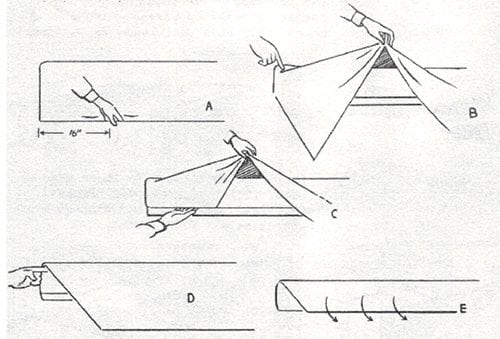
I swear bed making sounds easy. Our tutor is an ex-army nurse and takes hospital corners faaaar too seriously! I still have "make a triangle, fold it under and tuck" stuck in my head, which may be a good thing I suppose... I also didn't know that there were different names for the sheet 'layers'; he called them some weird name that I really can't remember cos it seems truly irrelevant really.


Personal care was a really interesting session although the tutor didn't spare any details (good thing I'm sure!). I have delivered (how detached does that sound?!) personal care in the past so have experience already although I have never done this in a hospital environment which I can imagine is slightly different given how busy it will be and the possibility of it being on a bay rather than a private room. I like that the way he described the entire process was focused on maintaining the dignity of the patient and ensuring that they retain as much independence as possible. One thing that was highlighted quite frequently was curtains are not sound proof which I'm told many healthcare professionals forget. Another thing that struck me is how operational it all seemed. All cleaning equipment is disposable to prevent cross infection. The whole help a patient to wash and change a sheet beneath them...I'm not sure how comfortable I would be in this situation... :0/


The vital observation sessions have been challenging. We've been    learning how to take manual blood pressure, temperature, capillary refill, oxygen saturation, pulse and respiratory rate and are soon to have an OSCE based around these skills (as well as communication of course!). My friends and I have been practising so we're hoping we'll cruise through it and I've been using my close ones as patients too :) I'm still absolutely terrified for this exam mind :O


Urinalysis and poo analysis were yummy as you can imagine. Again it was quite a basic session (more of an introduction to it) as I seriously couldn't just go into practice now and confidently say , "Yes, that's a 3 on the Bristol Stool Chart and that person's urine means they have XX wrong with them because they have XX in their wee!". Clearly practice makes perfect with these things. It seems pretty icky to wish for more experience with these things but I am...all part of being a nurse :)


Injection technique was an OK session...not exactly as I hoped but we learnt the basics, which I suppose is all we can hope for at this early stage. We were each given an 'arctic roll' (a rubber one, not an ice cream one) and practiced both subcutaneous (injection in fatty tissue) and intramuscular techniques (muscular tissue - deeper and more painful). I visited my first placement and my mentor told me that I will be administering subcut injections - terrifying prospect but really exciting too!


So that's a really brief overview of what we've been doing. I start placement in less than 2 weeks so will be able to (hopefully!) practice most of these things in real life.


I'll keep you posted :)

Wednesday, 17 April 2013

Finally getting our hands dirty...or clean. Nursing Practicals!

Hey!

So this week we've finally been able to get started on the exciting things - practicals. Yeah!

Hand Hygiene

We began by learning about the importance of infection control and how to wash our hands, which I must say is not as easy as it sounds. They asked that we put some sort of lotion on our hands (which would show up as dirt) and then wash our hands as we normally would. Personally I'm a bit of a stickler for having clean hands so I wash thoroughly. Following washing we had to put our hands under an ultraviolet light which showed me that I had missed several places on my hands - the heel of my hand and under the corner of one of my nails. Yak! So, lesson number one is to chop off my long-ish nails. As awful as that is to me, they have to go!
These are the places where most of us missed, and in fact most people miss when washing. Not good when you consider how easily those germs can be passed on.
Anyhoo, we were shown how to correctly wash our hands so as not to miss any areas. Here's the sort of flow that we were shown to follow:


These posters are above most sinks in hospitals so really there is no excuse to "forget".

The nurse taking the session gave us a warning though that the constant hand washing can have quite a large effect on the integrity of our skin and given that I have quite sensitive skin, this is something that I will have to keep on top of. All of the hand moisturisers that I received for Christmas will come in very handy I'm sure (absolutely no pun intended there, ha!) :)

She also shared this with us:
It's pretty self explanatory but it's basically the main times when you should be performing hand hygiene whilst in practice.

De-escalation

We also covered different methods of de-escalation, so how to try to avoid aggressive behaviour and how to calm situations down. This was a bit of an odd session. It was very much common sense - calm tone, eye contact, open body language, etc. We covered some different scenarios and carried out some role play which seemed simple enough, however I don't feel that the session has equipped me to an extent that I would feel ready to face a similar situation. In fact I don't think I'll be ready until I'm in that situation  It's very much a case of everyone and every situation is different as well. Human emotions are always going to be a big challenge and I don't think I'll ever predict what may happen. I just hope I develop enough skills to be able to cope without curling up into the foetal position and calling for my Mam! :0/

First Aid

The next session we had was around First Aid, mainly focusing on shock, dressings and choking in babies, children and adults. I've been to several of these sessions before but it was refreshing that we actually got to practice the techniques on actual people (dressings by the way, not knocking someone on the back!).

First and foremost we talked about the priorities of first aid:

  • Assess the situation quickly and calmly
  • Protect yourself and any casualties from danger
  • Prevent cross infection
  • Comfort and reassure casualties
  • Assess the casualty
  • Give early treatment and treat the casualties with the most serious (life-threatening) conditions first
  • Arrange for appropriate help

I think the second point hit home the most for me. Although I'd be very tempted to trump on in there and try to help out, it's so important to ensure that it's safe for you first, otherwise what help are you going to be if you're in the same position as them?

Following this, we learnt about how to recognise a choking casualty and how to treat them, learnt how to distinguish between different types of bleeding and how to treat it, and finally identified the possible signs and symptoms of shock and how to care for someone in that position.

Choking:

We were shown the correct technique, which is very similar to the picture below. I must say though that we were told to carry out up to 5 blows. What is the point in continuing beyond 2 blows if the item is dislodged and the patient is fine after that? Sounds silly but it's true. We were warned about the final, drastic step also. If abdominal thrusts are used then we must refer the patient to A&E as it can cause internal bleeding/damage. We were also shown the techniques for children and babies which I must say was not a pleasant experience but one I'm glad I now know about just in case.


Bleeding and Dressings:

This part of the session seems a lot easier than it was in practice I can assure you. There is definitely an art to applying a bandage and a triangular sling, one which I need to practice...a lot! Mine was rather squint and my sling was not ultimately supportive so I think I'll be purchasing a couple of first aid kits and fluttering my eyelashes a bit to my partner. Speaking of him, after 3 weeks of learning how to be a student nurse he has now decided that I know everything and can subsequently tell him why his leg hurts, how long things will take to heal and the best action to take...after 3 weeks! Clearly not. Anyway, I digress...
Here's what we did:


Seriously looks easier than it is!

 Shock:

Finally we looked at the signs and symptoms of shock and how to treat someone with them. The most common include:

  • A fast, weak pulse
  • Low blood pressure
  • Feeling faint, weak or nauseous
  • Dizziness
  • Cold, clammy skin
  • Rapid, shallow breathing
  • Blue lips
We were advised that the faster the symptoms are recognised the better, which in some cases can be very difficult if there are a lot of things going on. Imagine being in a car accident and this arose...how would you react? How quickly do you think you would recognise this, if at all? Definitely something to ponder...


As a final thought, we were told that being a nurse will always be a part of our lives, both inside and outside of work. It is our responsibility now to help all of those in need where we can and at least call emergency services if required. It really does make you realise that nursing is definitely a vocation and not necessarily a "career" per se. And for all of the bad press that nurses have had recently, I'm still proud to say I'm a student nurse. I'm learning the right way and I came into nursing in order to care which is exactly what I intend to do for the next 40 or so years.

Thanks for reading!


Tuesday, 26 March 2013

My First Couple of Days as a Student Nurse!


I've just finished my second day at uni and it's all getting very exciting. We were introduced to our Guidance Tutor (GT) and group, told where our placement area will be, given lots of info about the course itself, given our PPDF file thingys (I think they're a record of the skills we build in placements but not so sure yet), measured for our uniforms, given our 'Student Nurse' badges, given lots of paperwork and timetables etc and given a tour of the university and clinical skills areas. We've generally had a lot of free time so far but I'm expecting this to change rather rapidly. I'm really chuffed with my GT and group but not so much with my placement area. It means travelling up to 70 miles each way for some hospitals which would be impossible for me. I'm in discussions with my tutors to try and change this though so hoping for the best.

Not much to report as of yet but here's a pic of some lil things I've collected :) 


Excited for the next few weeks!


Wednesday, 19 December 2012

A Day at University!


Monday 11th December - a day at university to find out more about the course and meet my fellow nursey folk...EXCITING! Apologies in advance that this is a little all over the place. The day was a blur and went so quickly...besides the fact that I'm recounting from well over a week ago and my memory never serves me well.

The day began with a little meet-up with a few other student nurses...it turned out to be around 10 of us. We had already spoken via a social networking site but it was brilliant to be able to put names to faces. We then travelled to uni, skidding all the way due to the wintery conditions, where we gathered and chatted nervously about what we might find out/do.

First we listened to a presentation on practice placements - where they might be, length of time, health trust areas and how we choose, mentors, etc.

We then got to meet the course leader who is AMAZING! She literally lit up the room when she spoke :) I love it when lecturers are passionate about what they do and how they teach, it makes soooo much difference. She spoke to us about the time we'll be spending in university. We found out that the entire course had changed in the September and that we were the second cohort to experience the new curriculum and structure. It includes a different placement structure, a longer period at uni for the first part of the course, as well as different assessments, including OSCEs and an Anatomy and Physiology exam - eek! It all sounds very exciting though! We were told that this university is the first and only to be awarded accreditation from the NMC - WOW! Proud to be a student nurse here :)

Then we heard from some current students ranging from year 1-3, from all different nursing fields. They (obviously!) have a wealth of knowledge. I just wanted to sit and chat with them all day. The information they gave us was absolutely invaluable. I can't believe that I could be doing that this time next year!

Finally we had to do all of the organisational things - CRB and information on bursary applications. We completed our CRB checks and I literally received mine in the post 5 days later - super quick! I've been trying to do the bursary application for ages and it's giving me such a headache! I can't understand why the form is like 40 pages long. Who designed it?! Crazy people :0p

Oh well, I'm off to battle with the dreaded form again. Hope you're all well!! :)

Friday, 23 November 2012

Books I'm reading before I start

Well, as I have previously said (I think...), I'm a mature student and so I haven't studied or looked at science for a wee while...8 years to be exact, eek! So before I start the course (and make a bit of a fool of myself) I am aiming to learn as much anatomy and physiology as possible and to do that I have recently purchased the Ross and Wilson books. I've heard/read a lot about these books and was very intrigued by them. I must say, what people say is true - they are fab! So detailed, great pictures/diagrams plus the added bonus of giving you access to some online content via a code in the front cover of the text book. I also purchased the colouring and work book which is very good. There are so many different interesting tasks to complete which help to shape your learning and prevent it from becoming as monotonous as it could. So far I haven't done anything too strenuous - a little bit of how the body is made up and some processes. I surprised myself a little with what I have retained from school...then I went a little further into the book and discovered that was the extent of my knowledge, ha! Oh, well, I suppose I can only get better.

A friend of mine, who is now a qualified midwife, gave me a thing called "The Visible Man". It's a model of the human body that you have to put together, including bones, muscles and organs. It looks pretty complicated so I think I'll do a bit more reading and revising before I tackle that!

Aside from A&P (Anatomy & Physiology), I've been flicking through some other books that I'll list below:

The Student Nurse Handbook (2nd Edition) by Bethann Siviter. So many students have raved about this book and I definitely support their raves. This book is so helpful. Before purchasing it I had so many questions and this book more or less answers them all...except for University and course specific ones obviously. Other than the fact that it's helpful, this book is also making me more excited to start the course. Only 4 months to go! Anyway, I would definitely recommend student nurses purchasing this one :)

The Royal Marsden Hospital Manual of Clinical Procedures (Student Edition - 8th Edition) by Lisa Dougherty and Sara Lister. This book has also been highly complimented by the nursing and nursing student world. It is sooooo heavy and literally has everything in it. Just like the A&P books I mentioned earlier, there are also online resources to go with this book, which admittedly I haven't used yet. When I do, I'll update :) As for the detail in the book, it's very good. Everything is written so that it's easier to understand, with diagrams, step by step guides and quite simplistic language. There's also a handy list of abbreviations and their meanings at the front of the book - excellent given that I have absolutely no idea what all of these daft letters mean!

That's all of the books I have at the moment, and honestly I don't think I'll be purchasing many more. I'll probably be getting a book about calculations and drugs later on when I can actually understand some of what they are referring to. Let's not push ourselves too hard before we start sorta thing ;) My University has an excellent library and given that I've studied before, I have learnt not to make the fatal error of paying £££s for books that you may never use or use very sparingly. I think the best idea is to see which books you use the most and find the most helpful over the course of the 1st year and purchase them as you go. At least that's what I'm telling myself now.

Well, until next time, TTFN!

Preparation is Everything!

Since I've got such a long wait before I start the course in March, I figured I'd use the time wisely. I've been doing a few things to help me understand the things that I'm going to face over the next 3 years:

Vlogs/blogs: I LOVE reading blogs or watching vlogs about other nursing students' experiences, which is partially why I made this blog really. It's so interesting knowing how other people prepared, learning what I may come up against, what I might see on placement, things I have to learn, how people come through struggles and hearing success stories. I hope that somebody else out there will get some enjoyment out of reading my silly banter also :) I usually get quite distracted though, especially by makeup tutorials. My latest find is a girl who is also a student nurse who happens to record makeup tutorials - doubly brilliant! I can see it being an issue when I have actual work to do though.

Books: Anatomy and physiology books, advice books, clinical texts, etc. I'm going to write another post about the specific books I've been reading which may help.

Talking to current students/health professionals: I think this is the one that I'm finding the most helpful, after all they've already experienced all of the things I'm researching first hand.

Work: I'm working in care homes at the moment, specifically EMI residential homes. EMI stands for Elderly Mentally Infirm - I hate that name but don't know what else to call it :0/. Every time I go to work I have a million more questions to ask the in-house nurse, who must be very fed up of me by now! I feel very lucky that I'm going into this course with quite a lot of experience in health care under my belt. So many people have to start from scratch and honestly the first time you carry out personal care or feed a very ill person can be quite upsetting and feel strange. I'm glad I was able to do these things in my own time without the worry of being assessed.

Life preparation: I'm thinking a lot about how my life is going to be once I get in to the course. The PGCE completely took over my life and I was so unhappy, so this time I want to make sure that I make time for myself and my family/friends. I have to figure out how I'm going to afford to live. Luckily my boyfriend is amazing and he has said that he'll support me financially. He's a bit of a gem :) I'd like to keep up my agency work but it's very rare that they offer shorter shifts, they're usually 12 hours which I think would be impossible to fit in. I've heard that a lot of students take on some bank work after a round 6 months into their 1st year so that might be an option.

Lists: I am one of those sad creatures who enjoys writing lists - it's literally how I live. Everything goes on my list or in my diary...to then be added to my list, ha! So I've been writing lists of things that I need to research or purchase. Very exciting! I'm not really sure if I need the really nursey things like a stethoscope and a sphygmomanometer (copy and pasted as it's a ridiculous word!). I want them, but do I need them? Perhaps to practice manual BPs - look at me sounding like I know what I'm talking about - I don't by the way ;)

And finally, looking at course content, modules and timetables: All very important things so that I know what the hell I'm going to be doing for the next year. The timetable was an eye opener mind. It's going to be very interesting starting the term in March too.

That's about it for now. Until next time, TTFN!

The Nursing Application Process

I'm not even going to try to sugar coat this. I HATED the application process! Oh my GOD it was stressful, but so worth it when you see that status change on UCAS (that's the University and College Admissions Service to all that don't know). It was the best day of 2012 so far!

So the first thing you have to do, aside from actually deciding that you want to do the course and which branch/field (adult/child/mental health/learning disability), is think about where you want to study. My choice was always set in stone. I have several commitments at home, as many people do, so moving was never an option. Besides that, I have one of the most prestigious universities on my doorstep. So that was decided. Then you have to start to compose your personal statement. This is so important as it's the university's first impression of you. You can only use a limited number of characters so everything you say has to be concise and important - if it's not going to really convince them that you want it and that they should take you, then you don't need to say it. There are so many sites for advice on completing your PS (honestly Google it! 3, 470,000 results) that I'm not going to go into detail but I will say this....Show how passionate you are about nursing and definitely mention your chosen field. Nursing courses are so competitive now that you have to show that you know what you want and are committed to a certain field. If you want to study child nursing then make sure you say it and be absolutely positive that this is what you want to study for the next 3 years, as well as work in for the next 40. I would also advise to start your PS with something that will catch their attention. Admissions read sooo many applications that I'm sure they get sick of reading, "I want to study adult nursing because..." - be original! Remember, this is their first impression of you and you need to make it count. Also, in many uni selection processes, each section is pointed, including the PS so it needs to be good to get you further.

Next, reference - Make sure you ask your chosen referee as early on as possible to ensure they have time to complete a quality reference for you. I'm sure no one wants to be a few days from the deadline, flapping because their referee hasn't submitted a reference yet. And you definitely don't want them rushing it - it has to be as amazing as you, right?

Interview - ARGH! Even the word sounds scary. Usually, universities send out some information about the structure and content of the day. Mine sent an email, generally outlining tasks and such. All universities do things differently - some have group interviews, some have individual ones, others have both. Some have literacy and numeracy tests, some have 1 or the other, others have both. Most universities have a little information session though, to break you into the day and help you relax - and obviously to give you more information about the course! At my interview we started by registering. We had to take photographic ID and certificates to prove our qualifications. Following this we gathered into a room where we watched a powerpoint and listened to a talk about the course. The tutors are very friendly and put you at ease straight away. I think the biggest misconception people have with interviews is that they're trying to catch you out. They're definitely not - they want to bring out the best in you. So, anyway, after this we watched a short video (2 minutes) about a lady's negative experience in hospital. We had a 10 minute written activity about the video and had to write about any issues and how we would improve her experience. This was quite simple and was mainly to test your ability to write. This aspect is pointed in the same way as the PS. After this we were put into groups of 5 and had a short break before our group interview. We had the chance to get to know each other a little better and feel a bit more comfortable before being plunged back into the testing conditions again.

Group interview - This was basically a group discussion that lasted for around 40 minutes. Firstly, we talked about the video we had watched in the previous session. The interviewers (2 of them by the way) threw in questions to keep the conversations flowing. It's important to remember that this group interview is not just about what you say, which is obviously important, but the interviewers are looking at how well you can communicate. Communication is HUGE in nursing (or so I've been told :0p). They want to see that you don't sit silently and let other people control the entire discussion, or that you don't completely dominate the discussion and drown others out. You have to find the middle ground with this one. Another thing - make sure to make eye contact and talk to everyone in the discussion, not just the interviewers. I made sure to build on other peoples' points, agreeing, disagreeing, adding my opinion or experience to things mentioned. The best thing to do is to not over think it. Try to be as natural as possible. It's just a conversation - no pressure :0/ ha! To prepare I made sure that I had read up on relatively recent changes or important things within the NHS and in the media. I went in with a general knowledge of several things, but in depth knowledge of around 3 different issues. You don't have to know the ins and outs of everything or know everything that is going on in the world of health. They aren't looking for ready-made health professionals - just show that you've taken the time to read up on a couple of things.

The final part - the individual interview. We were told that this would be very short but I wasn't expecting it to be as short as it was - 5 minutes if that! They asked me one question - ONE! I had answers prepared for at least 40, including what was the last book you read and which bloody super hero would you most like to be! I'm glad I had prepared anyway, just in case. So the one question: which qualities/skills do you feel you could bring to nursing? A question you would expect and should definitely prepare for. I said communication, caring and compassionate nature (cliché but very important), experience in a caring role and adaptability, all very important in nursing. Following this, they asked if I had any questions and then if I'd applied elsewhere - I hadn't. I left, fumbling with my scarf that I almost tripped on, dropping my bottle of water and wishing the door wasn't so far away from my shaking hands. I never get that nervous in any situation, and honestly I didn't think it had gone overly well.

So I was left with the inevitable wait. I received an email from the university a few days later telling me that I had been successful at interview and that I was going to be short listed - fantastic!! I had to send them a second reference and then they were going to take my application and total score to a selection event, where a group of admissions tutors look at applications and decide whether they are strong enough to be accepted. I emailed admissions every few days, phoning them just to be sure they received my email, praying that I'd hear soon. I was told that it would take them until around Xmas time to make decisions and inform everyone, so you can imagine my surprise when I received an email from UCAS telling me that my status had been updated only 2 weeks after the interview. I logged in apprehensively to see the word "Conditional" beside the university name. To say that I cried with joy would be an understatement! 

The application process was difficult, the wait was even worse but finding out I was in was absolutely amazing. 

If anyone has any questions about the application process or needs some clarification on any aspect, please feel free to leave me a comment or send me an email.

Until next time, TTFN.